
Searching for an affordable, pet-friendly one-bedroom apartment in Boca Raton while balancing a fast-paced tech or finance career can feel overwhelming. Economic uncertainty and job changes are pushing many young professionals to rethink what matters most in their next home. Flexible lease terms, dynamic amenities, and a strong sense of community are now key features shaping modern housing choices and supporting both your lifestyle and career ambitions.
Table of Contents
- Defining Young Professional Housing Today
- Types of Housing for Young Professionals
- Modern Features and Amenities Explained
- Costs and Financial Considerations
- Risks, Responsibilities, and Legal Issues
Key Takeaways
| Point | Details |
|---|---|
| Young Professional Housing Evolution | Housing for young professionals now emphasizes flexibility, affordability, and community integration to support career and personal development. |
| Types of Housing Options | Young professionals have diverse living arrangements, including shared spaces, individual units, and specialized housing that cater to varied lifestyle needs. |
| Modern Amenities Importance | Essential amenities in young professional housing focus on technology, wellness, and work-life balance, significantly impacting productivity and health. |
| Financial Strategy & Legal Awareness | Young professionals must be proactive with budgeting and understanding lease agreements to navigate financial and legal challenges in the housing market. |
Defining Young Professional Housing Today
Young professional housing has transformed dramatically in recent years, becoming a nuanced ecosystem that responds directly to the complex lifestyle needs of emerging workforce generations. Emerging housing market research reveals a sophisticated landscape where flexibility, affordability, and community integration are paramount considerations for young adults aged 20 to 34.
The contemporary definition of young professional housing extends far beyond traditional apartment rentals. These living spaces now represent holistic environments designed to support career development, social connectivity, and personal growth. Key characteristics include:
- Compact, efficiently designed living units
- High-speed internet and tech-enabled amenities
- Shared communal spaces for networking
- Flexible lease terms accommodating career mobility
- Strategic locations near professional districts
Economic uncertainties have significantly reshaped housing expectations. Housing market studies highlight how job market volatility has pushed young professionals toward more adaptable living arrangements. The traditional trajectory of independent housing has been disrupted, with many young adults prioritizing financial flexibility over long-term property commitments.
Moreover, these housing solutions are not merely transactional spaces but emerging social platforms. They function as ecosystems that support professional networking, personal development, and community building. Young professionals seek environments that seamlessly blend work, leisure, and social interaction.
Pro tip: When evaluating young professional housing, prioritize locations offering integrated amenities and flexible lease terms that align with your career trajectory.
Types of Housing for Young Professionals
Young professionals today navigate a complex housing landscape with multiple living arrangements tailored to their unique lifestyle and career needs. Contemporary housing models demonstrate significant diversity in residential options designed specifically for emerging workforce generations.
The primary housing types for young professionals include:
- Shared Living Spaces
- Co-living apartments
- Roommate arrangements
- Community-oriented housing complexes
- Individual Units
- Studio apartments
- One-bedroom apartments
- Micro-apartments
- Specialized Housing
- Professional dormitories
- Work-exchange housing programs
- Corporate-affiliated residential communities
Economic constraints and career mobility significantly influence housing choices. Housing market research reveals that young professionals prioritize flexibility, affordability, and community integration when selecting residential environments. These considerations often lead to innovative living arrangements that challenge traditional housing paradigms.
Moreover, emerging housing models go beyond mere shelter, functioning as integrated lifestyle platforms. These spaces offer networking opportunities, professional development resources, and social connectivity that extend well beyond conventional living arrangements. Young professionals seek environments that support their personal and professional growth simultaneously.

Here’s a concise comparison of primary housing types for young professionals:
| Housing Type | Key Benefit | Typical Drawback | Best For |
|---|---|---|---|
| Shared Living Spaces | Lower costs, strong social | Less privacy, shared chores | Extroverts, networkers |
| Individual Units | Privacy, independence | Higher rent, smaller space | Quiet, focused workers |
| Specialized Housing | Career support, amenities | Limited availability, rules | Ambitious professionals |
Pro tip: Evaluate potential housing options not just by rent, but by their potential to enhance your professional network and personal development.
Modern Features and Amenities Explained
Modern apartment living for young professionals has evolved far beyond traditional residential spaces, transforming into sophisticated lifestyle ecosystems. University-adjacent housing developments now integrate cutting-edge amenities designed to meet the complex needs of emerging workforce generations.
Key modern amenities that define contemporary young professional housing include:
- Technology-Integrated Features
- High-speed fiber optic internet
- Smart home control systems
- Keyless entry technologies
- Package management lockers
- Wellness and Fitness Spaces
- 24-hour fitness centers
- Yoga and meditation rooms
- Walking/running tracks
- Outdoor exercise stations
- Work-Life Balance Amenities
- Co-working spaces
- Conference and meeting rooms
- Quiet study areas
- Podcast/video recording studios
Apartment amenity research reveals that young professionals prioritize practical, functional features over aesthetic extras. The most valued amenities directly support professional development, personal wellness, and technological connectivity, reflecting a holistic approach to modern living.
Beyond physical infrastructure, these housing environments are designed as integrated social platforms. They offer networking opportunities, professional resources, and community engagement that extend well beyond traditional residential expectations. The goal is creating living spaces that actively contribute to residents’ personal and career growth.
Below is a summary of essential modern amenities and their value to young professionals:
| Amenity Type | Value Provided | Career Impact |
|---|---|---|
| Tech Features | Fast internet, smart access | Enables remote work, tech use |
| Wellness Spaces | Fitness centers, wellness rooms | Supports work-life balance |
| Work-Life Areas | Co-working, quiet study rooms | Boosts productivity, focus |
| Community Spaces | Networking lounges, event areas | Expands professional connections |
Pro tip: When evaluating apartment amenities, focus on features that enhance your productivity, wellness, and professional networking potential.
Costs and Financial Considerations
Young professionals navigating the housing market face increasingly complex financial challenges in today’s economic landscape. Housing affordability research reveals significant barriers that impact young adults’ residential choices and long-term financial planning.
Key financial considerations for young professional housing include:
- Monthly Cost Breakdown
- Base rent
- Utility expenses
- Parking fees
- Internet and technology packages
- Hidden Expenses
- Application fees
- Security deposits
- Renter’s insurance
- Potential pet fees
- Budget Allocation Strategies
- Recommended 25-30% of monthly income
- Negotiating lease terms
- Exploring shared living options
- Considering location-based cost variations
Housing market trends demonstrate that rental costs have been increasing faster than income levels, creating additional pressure on young professionals’ financial planning. This trend necessitates strategic approaches to housing selection that balance quality of life with fiscal responsibility.
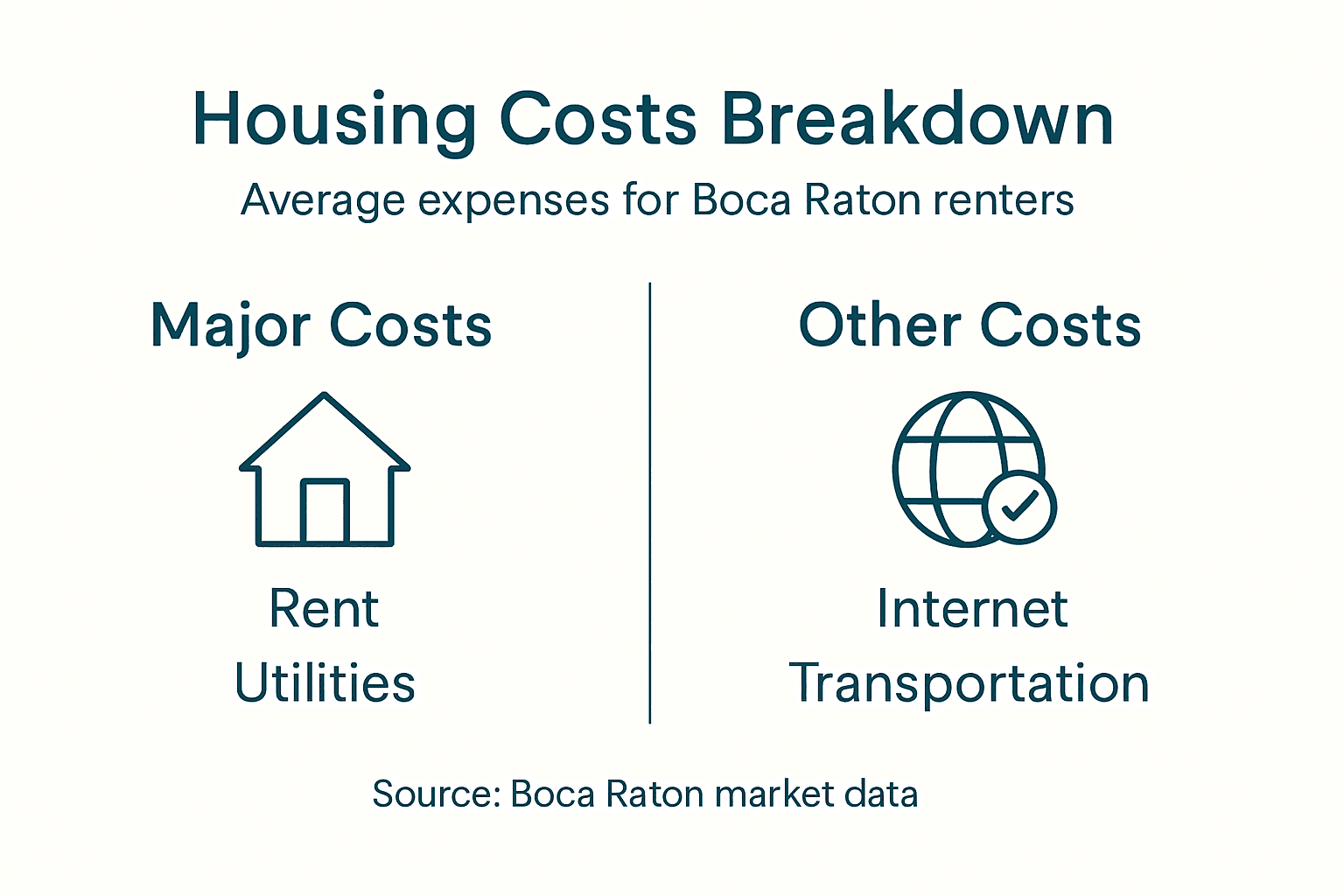
Beyond direct costs, young professionals must consider the broader financial implications of their housing choices. Strategic living arrangements can provide opportunities for networking, professional development, and potential career advancement, transforming housing from a mere expense to an investment in personal and professional growth.
Pro tip: Always calculate total monthly expenses, not just base rent, and maintain a financial buffer for unexpected costs.
Risks, Responsibilities, and Legal Issues
Young professionals entering the housing market must navigate a complex legal landscape fraught with potential challenges and responsibilities. Local housing regulations create significant barriers that can dramatically impact residential choices and long-term financial stability.
Critical legal considerations for young professionals include:
- Lease Agreement Risks
- Understanding termination clauses
- Identifying hidden penalties
- Comprehending sublease restrictions
- Recognizing maintenance responsibilities
- Financial Legal Protections
- Security deposit regulations
- Tenant rights and responsibilities
- Fair housing law protections
- Insurance requirements
- Potential Legal Vulnerabilities
- Co-signing agreements
- Roommate liability issues
- Local zoning restrictions
- Rental insurance complexities
Housing assistance research reveals that young adults frequently encounter administrative and legal obstacles when accessing housing resources. These challenges often require sophisticated understanding of rental markets, legal protections, and administrative processes.
Beyond individual lease agreements, young professionals must develop a comprehensive understanding of their legal rights and responsibilities. This includes comprehending fair housing laws, understanding local rental regulations, and maintaining proactive communication with property management to mitigate potential legal risks.
Pro tip: Always read your entire lease agreement carefully, and consider consulting a legal professional to review complex rental contracts.
Discover Young Professional Living Designed for Your Career and Lifestyle in Boca Raton
Young professionals face unique challenges like finding housing that balances affordability, flexibility, and career-supporting amenities. With rising rents and the need for efficient, tech-enhanced living spaces described in the article, making the right choice can feel overwhelming. Cynthia Gardens offers well-maintained one-bedroom apartments crafted specifically for your needs. Enjoy transparent pricing with no hidden fees plus community features that support your work-life balance and networking goals.
Explore how our tech-forward leasing experience, including AI chat support, voice assistance, and virtual tours, helps you confidently find the perfect apartment. Act now to secure a residence that supports your professional growth and personal wellness. Visit Cynthia Gardens to experience modern young professional housing in Boca Raton. Learn more about our affordable, community-oriented apartments that align perfectly with the evolving expectations outlined in the article by checking our homepage and discover solutions tailored for you today.
Frequently Asked Questions
What features should I look for in young professional housing?
When searching for young professional housing, prioritize flexible lease terms, integrated modern amenities like high-speed internet, fitness spaces, and communal areas that foster networking and community engagement.
How do economic factors impact young professionals’ housing choices?
Economic uncertainties have led young professionals to seek adaptable housing solutions that emphasize financial flexibility, such as shared living spaces and short-term leases, rather than long-term property commitments.
What types of housing arrangements are available for young professionals?
Options for young professionals include shared living spaces (like co-living and community-oriented complexes), individual units (like studios and one-bedroom apartments), and specialized housing (like professional dormitories or corporate-affiliated communities).
How can young professionals effectively budget for their housing costs?
Young professionals should budget approximately 25-30% of their monthly income for housing costs, considering all expenses such as utilities, internet, and hidden fees. It’s also wise to explore shared living options to reduce costs while maintaining a quality living environment.
Recommended
- What Makes an Apartment Modern in Boca Raton
- How Boca Raton’s Apartment Communities Cater to Young Professionals – Luxury Apartments for Rent in Boca Raton | Premium Boca Raton Apartments | Aapartments Boca Raton
- Modern vs. Classic: The Architectural Design of New Apartments in Boca Raton – Luxury Apartments for Rent in Boca Raton | Premium Boca Raton Apartments | Aapartments Boca Raton
- Modern Apartment Community: Lifestyle Impact in Boca Raton